Camellias are elegant evergreens for the South

Connie Cottingham • October 26, 2010

Published in the Athens Banner-Herald on March 9, 2007.

At the time of this writing, The American Camellia Society lists less than 20 recommended nurseries throughout the country; Cofer’s Home & Garden Showplace in Athens is one of them. If you want to see your camellia in bloom before you buy it then this is a good weekend to select from dozens of varieties at Cofer’s. Your only problem will be choosing.

There are 250 species of camellias, all evergreens native to the Orient. Let’s focus on two familiar types of camellias, plus a species camellia well worth adding to the garden. The most common camellias are sasanquas and japonicas.

Sasanqua camellias ( Camellia sasanqua ) bloom at the end of the year, starting to bloom in late fall. The blooms tend to be smaller and more fragrant than the japonicas. The plant tends to be smaller too, maturing at 6 to 10 feet tall, and less cold hardy than the japonicas. One of the most common sasanquas is ‘Yuletide’.

Japonicas ( Camellia japonica ) bloom at the beginning of the year, from almost Christmas until almost Easter. These are blooming now and are at their peak in February. That is when Massee Lane Gardens south of Fort Valley, Georgia and headquarters of the American Camellia Society, holds their annual Festival of Camellias. Maturing at 10 to 20 feet tall, japonicas can take more shade and should be kept out of afternoon sun.

“So which would you recommend?” I asked Stuart Cofer. “Both! That way you have blooms in two seasons. The japonicas do best sheltered from the wind. They prefer morning sun with shade from noon on and love pine shade. Winter sun can scorch the leaves of japonicas planted in deciduous shade. This doesn’t hurt the plant, just looks bad and worries the homeowner. Sasanquas are tougher plants and can take more sun.” There is a 13-year-old treeform sasanqua by Cofer’s main entry – the west side. Of course, all the other conditions must be right. Full sun is easier to take in perfect soil conditions than in Georgia clay. Our warm summer nights are another challenge for camellias. Most resources would recommend afternoon shade for any camellias.

I have seen varieties of Camellia hiemalis and Camellia oleifera (tea oil camellia) in plant sales and nurseries. Both bloom late in the year. Fifty percent of the vegetable cooking oil in Hunan, China is from tea oil camellias, producing an oil similar to olive oil. Tea oil camellia is hardy to zone 6 and a large plant, maturing at 10 to 20 feet like the japonicas. Cold hardy camellias such as this one are a hot item, with gardeners north of us wanting some of the beauty surrounding us.

Tea camellias have been used to make black tea in China since 500 B.C. In fact, the only commercial tea plantation in the United States is in South Carolina and harvests the tea from Camellia sinensis. The Charleston Tea Plantation First Flush Celebration will be held May 12. The ‘first flush’ is when the tiny new leaves push up above the previous years growth, the basis of a once a year special edition tea. Find out more about the festival at www.bigalowtea.com or sample a box of Bigalow’s American Classic Tea, available in area grocery stores. Camellia sinensis is cold hardy into zone 6, does well in shade and matures at four to six feet high. The single, white 11/2-inch blooms with yellow stamens appear in fall. C. sinensis ‘Rosea’ has pretty pale pink blooms.

When you plant a camellia in the ground, follow the instructions found on the American Camellia Society Web site: www.camellias-acs. org. They recommend the top of the rootball be slightly higher than the soil line. Do not cover the top of the rootball with soil, but do cover the entire planted area with mulch. Camellia roots need good drainage and air. The ACS also recommends that the planting hole be at least two feet wider than the rootball and the backfill removed from the hole be placed back into the hole when planting. Many people in Georgia love their plants to death by adding lots of goodies into the holes when planting. If you want to amend the soil, amend the entire bed before planting and make sure that bed is elevated so it drains well (and away from any structure), even after it settles with time.
Loves Notes from the Garden

Subscribe for exclusive content and be the first to know about new blog articles.

By Connie Cottingham February 26, 2026
Everyone is talking about the grand reopening in June. More space. More galleries. More excitement. But waiting means missing something special. Here are eight reasons why I think now is one of the best times to visit Crystal Bridges Museum of American Art. It’s free – which expands your freedom. Yes, parking and admission here are always free. That’s easy to take for granted since most Bentonville area museums do not charge admission. But that free admission means you don’t have to think about your budget and time in the same way as if you were paying a $20-40 entry fee. You can stop in to join a tour or fill time between appointments by visiting one gallery.
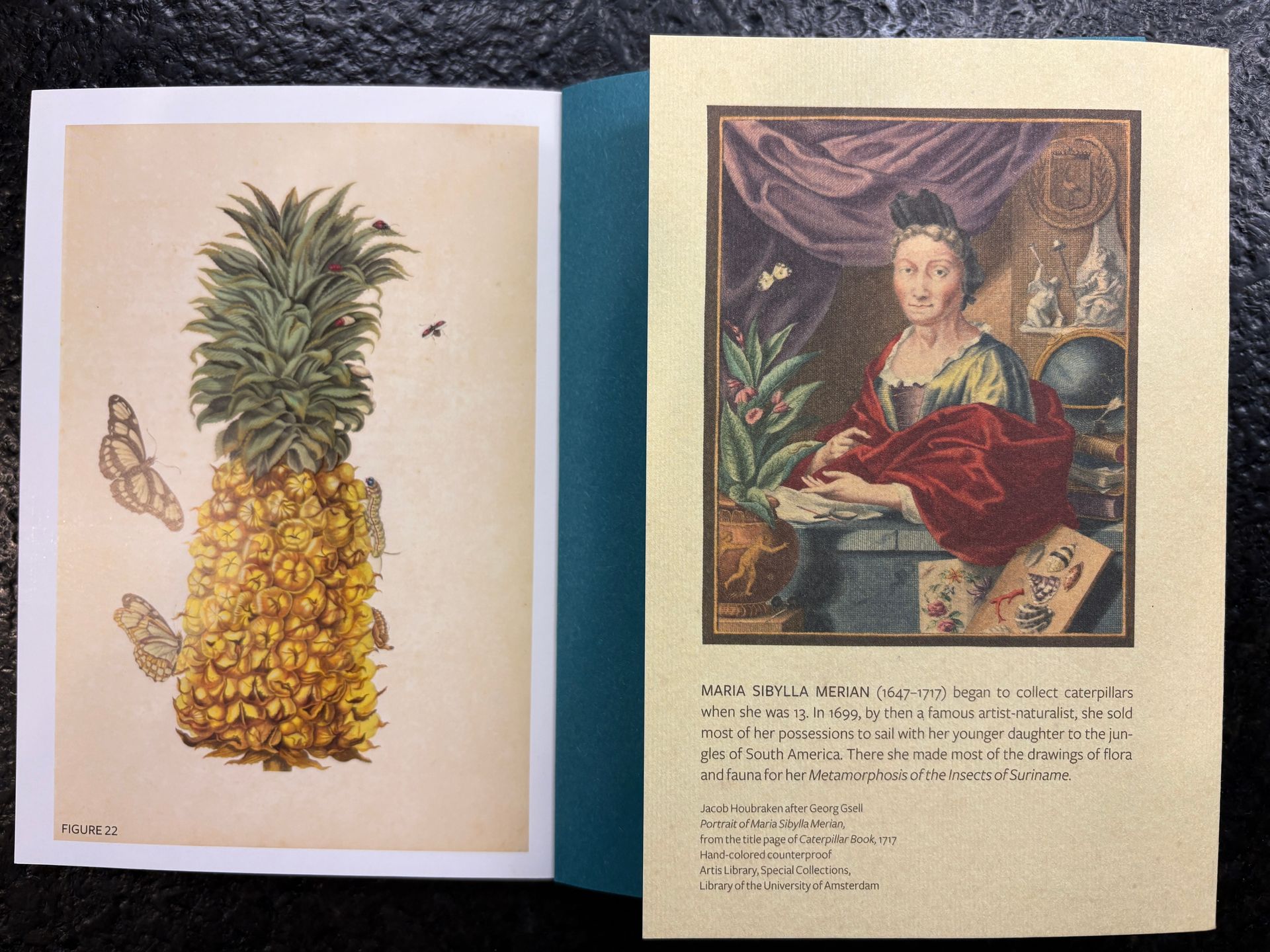
Greeting card: Pineapple art print and portrait of woman with text.
By Connie Cottingham February 22, 2026
I had to email a friend immediately. This fall an exhibit on Maria Sibylla Merian is coming to the Philbrook Museum of Art in Tulsa, OK. It went straight onto my calendar — along with a note to check back for lectures, tours, and related programming. Who is Maria Sibylla Merian? Well, if anyone asks me who my favorite artist is, who is one of my sheroes, it’s Merian. She was a botanical illustrator, scientist, explorer. She was also fearless, curious, groundbreaking, and well-traveled. She was a single mother. She was open to other cultures and deduced her own opinions. She sold everything and brought her daughter with her to another continent at age 52. Oh, and she lived from 1647 to 1717.
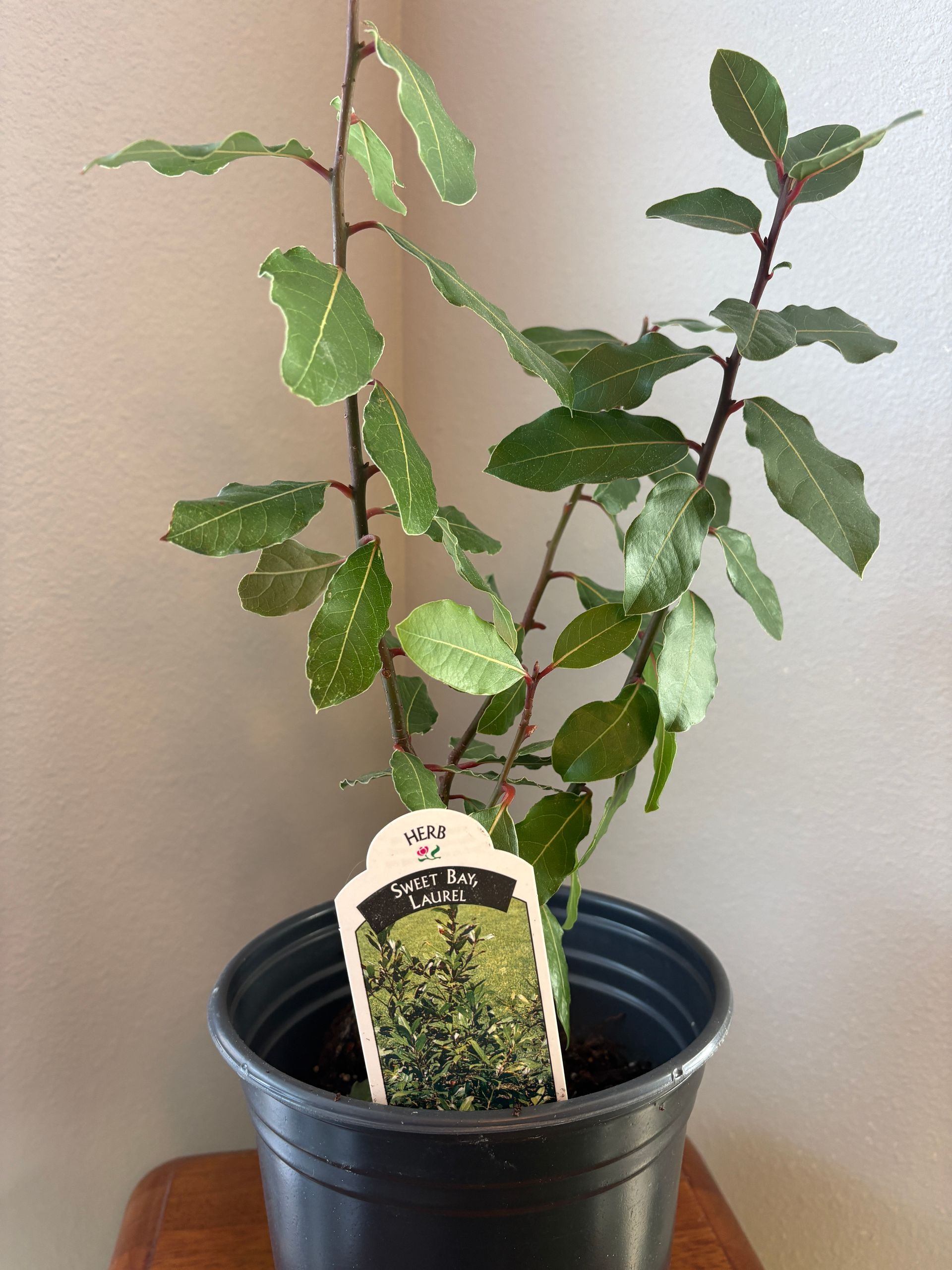
Bay laurel plant in a black pot, with green leaves, and a plant tag.
By Connie Cottingham February 22, 2026
“Add a couple bay leaves,” suggested a friend. I had been moaning that I had looked everywhere I could think and could not find Bruce’s pinto bean recipe. Soak the beans overnight, add onions, ham, cumin, salt, and pepper into the Crock Pot. I found a similar, delicious recipe, but it was not the recipe. And Bruce’s recipe did not include bay leaves. But Kris said every bean recipe should have a bay leaf. And there is a bay tree on my windowsill. OK—at about 14 inches tall, tree may be a bit of an exaggeration. Bay leaves are commonly used in Mediterranean, French, and Spanish cooking, adding a subtle, savory flavor. Bay is also traditionally recommended to help with upset tummies, flatulence, and digestion. Ah—so that is why you toss bay into pots of beans. I hadn’t heard that before. Nor did I know bay leaves are sometimes boiled into custards.  During my snowed-in week, I made two pots of soup and a pot of beans, snapping off a leaf or two of bay and harvesting from the vase of sage and rosemary for the soups. My bay has adjusted well to indoor life and has plenty of leaves to share. Fresh bay leaves are a bit stronger than dried—one book describes the fresh flavor as “more eucalyptus-y.” I’ve always thought of bay as very mild. Although they are evergreen trees in the Mediterranean, bay (Laurus nobilis) takes well to pruning and can be grown in a container. I plan to keep mine a manageable two feet tall and happily invite it into my kitchen every winter. If you see a bay plant, I recommend buying one. None of my books recommend growing them from seed, and it can take a year or more to grow one from a cutting.
By Connie Cottingham October 1, 2025
1. The locals know which destinations suit your interests The people who work and volunteer are proud of their town and happy to have you discover all it has to offer. Once you start talking, they will light up as they give suggestions on what would interest you. Yes, there may be an abundance of breweries in an area, but a visitor center singled out the one that was also a cut flower farm to me. 2. Free parking while you get your bearings It takes a moment to figure out what is what in a new town. Many visitor centers offer free parking while you plan your visit with helpful staff and volunteers. 3. Restrooms and coffee ... welcome finds on a road trip. 4. Warnings and options When I mentioned that I wanted to experience the Blue Ridge Parkway on the way home in the Hendersonville (NC) Welcome Center, they warned me that weather had shut a segment down. They suggested another route where I enjoyed an outdoor lunch, art galleries, and a scenic drive home. Visitor centerscan also point out festivals and events to either enjoy or navigate around. 5. Gift shop A visitor center gift shop often carries postcards, local products, shirts, books, and other keepsakes to remember your trip. I seek out stickers to label my travel journals with the destinations inside.Photo in text here 
By Connie Cottingham September 24, 2025
Travel Sketching: A Secret Tool for Authentic Travel Writing Sketching is a way to experience and capture moments, emotions and a location.
By Connie Cottingham September 22, 2025
September 22 is the Autumn Equinox — a day when the sun rises due east and sets due west. For gardeners, this isn’t just trivia: it explains why our plants thrive (or struggle) as the seasons shift. This is a science, with a series of calculations and variables that explain everything. I don’t think that level of detail is important here, so I am going to explain this short, sweet, and simplistic. If you are super Type A or demand precision, you may want to stop reading now before I frustrate you. Honestly, my parents’ birthdays are within a day of the equinoxes (Happy Birthday Mom!), so that is how I remember them. I turn to a computer for a precise date when I need it. The date hovers a bit, because a year is 365.2422 days, with leap years that almost correct that. So the fall equinox is September 22-23 and the spring equinox is March 20-21. On an equinox, everyone on the planet enjoys 12 hours between sunrise, which is due east, and sunset, which is due west. The sun pretty much treats us all equally on an equinox. Because the Earth’s axis is tilted 23.5 degrees, in summer the sunrise and sunset move further north. The amount of daylight changes, varying with how far you live from the equator. Is this true in both hemispheres? Yes, but keep in mind that December holiday parties in Australia happen on their long summer days, maybe on the beach. One year I was in England during the summer solstice in late June, when the sun seems to be as far north as it travels. The sun was up before 5 a.m. In summer, London has about 17 hours of daylight. Miami, closer to the equator, gets about 14 hours of sun in late June. Things change in winter, when Miami may have 10-1/2 hours of sunlight while London has less than 8 (sunset before 4 p.m. – yikes!) So what does all this mean to a gardener? If you are not certain where due east and west are in your garden, observe the sunrise and sunset on September 22. In the Northern Hemisphere, days are getting shorter at a rapid pace, until winter solstice on December 21, when the sun will rise furthest southeast and set furthest southwest. At this time, the midday sun will be lowest in the sky. This is why our homes’ eaves are designed as they are, to provide shade from a higher summer midday sun while letting warming winter light into our windows. In the winter, our north walls get no direct sun, so it is easy to think North=Cold. Wrong. In the summer the sunset is northwest, so the hottest part of the day has sun shining on my north walls. I have hydrangeas against my north wall, but July-August I need to make sure they are well watered to handle the baking sun. When you plant a tree, realize that shade patterns change with the seasons. One time I emerged from a camping tent after a morning frost. The tents under evergreen pines that created a warming effect had no frost, while more exposed tents had a layer of frost on them. Deciduous trees provide little protection in winter, but cooling shade in summer. And that is just how a tree canopy can create a microclimate. Now mix in winds and planting zones and architectural details and a million other things and you realize that getting to know your garden will take at least one full year. You can see that as challenge/delay or as discovery/wonder. This is one reason all gardeners kill plants. It is part of the discovery. I’m sorry if it feels like your head will explode. Having a garden means you will grow with it, always learning. Step 1 is easy: Take a few minutes to walk outside and figure out where N-S-E-W are tomorrow. According to studies, less than half the population can point north from their home.
A green vase filled with flowers is sitting on a table.
By Connie Cottingham May 22, 2025
Note: This post was originally written as a Love Note from the Garden. Sign up for these free, weekly emails at the bottom of this page.
A row of cherokee purple tomato plants in pots
By Connie Cottingham March 28, 2025
It is late March in Northwest Arkansas, with temps in the 70s, sunny skies and spring fever hitting hard. Plants are in front of stores and garden centers are buzzing. Everyone wants to plant NOW. Although I have seen many peppers and tomato plants for sale, I would not buy one or plant it in March. As beautiful it is today, next week will have three mornings at 40 degrees or below. Yes, that is above freezing, but many tropical plants will die at higher temperatures. Tomatoes should be planted when evening temperatures reliably stay above 50 degrees. Studies say even if the tomato plant looks OK, growth can be stunted when planted before the soil warms up. Yes, it is hard to resist. Here are a few things to do instead. Watch for Blackberry Winter. It’s a thing – practically every year. When the blackberries bloom in early spring, a late cold snap or a frost hits. The average last frost date in Benton County, AR, is April 19 and my blackberries have not bloomed yet, so there is a good chance April will have some chilly nights. Be a rebel - buy the tomato anyway and plant it. You are not risking your children’s inheritance and getting your hands dirty is therapy, so if you want to do it, do it. The biggest commitment is the space in your garden, which could be producing greens and vegetables in April instead. Plant cooler season vegetables now and harvest those until you plant the tomatoes (and peppers) later. There are radish seeds that can be harvested in only 24 days, baby spinach that can be harvested in 28 days, and lettuce and spinach plants for sale, so you could get a crop in before planting your tomatoes. Win/win. I must admit, when spring fever hits hard I sometimes buy a six-pack of lettuce for instant gratification. Lettuce in greens, burgundies, and with speckles look so pretty in a freshly prepared garden bed. March is a good time to plant potatoes. onions, or fruit plants like strawberries and blueberries. There’s plenty of food crops you can be planting now. Are you upgrading your big pots on the front porch? Move the old containers to a sunny side yard and plant potatoes, strawberries, or herbs in them. Use this time to build raised planting beds and enrich your soil.
By Connie Cottingham March 24, 2025
Jackson, Mississippi
By Connie Cottingham March 10, 2025
I recently picked up a couple of fennel bulbs in the grocery store—not quite sure what I would do with them, but completely enchanted by the idea of trying something new. Honestly, this isn’t unusual for me. I often shop in garden centers the same way—choosing things that delight me without a clear plan in mind. Cooking with Fennel Fennel seems to be more common in European kitchens than in the United States. In her Around My French Table cookbook, Dorie Greenspan suggests adding a fennel bulb, cut into strips, while sautéing onions in her leek and potato soup recipe. Her approach is genius: leave the vegetables in the broth, so every serving feels fresh. It can be enjoyed as-is, pureed and served cold as vichyssoise, pureed into a creamy soup, or topped with croutons. This variety keeps leftovers exciting rather than repetitive. While I’ve grown fennel before, it’s always been for my beloved swallowtail butterflies rather than the kitchen. That alone makes fennel a worthwhile addition to the garden. But I’ve since learned its foliage can be used in salads, as a garnish, or even in flower arrangements. Growing Fennel in the Garden Fennel ( Foeniculum vulgare ) is a tender perennial and a member of the parsley family. To grow it successfully, plant seeds in succession during spring and fall, as fennel tends to bolt in summer heat. When thinning seedlings, don’t let the pulled plants go to waste—they’re excellent in sandwiches and salads. Fennel’s versatility extends to ornamental gardening, too. Consider planting it in a flower border where its feathery foliage, especially the bronze fennel, provides striking contrast among flowers and shrubs. Some sources report that fennel doesn’t always play well with other vegetables and can cross-pollinate with dill, so plan your garden layout accordingly. If you’re not growing fennel for seeds, pinch off the blooms to encourage larger bulbs and prevent self-sowing. The blooms themselves make a delightful garnish. For Butterflies and You Whether you grow fennel for its fine-textured foliage, culinary uses, or to host swallowtail butterflies, every reason to add it to your garden is a good one. Swallowtail caterpillars devour a lot of foliage to transform into butterflies, so planting multiple fennel plants is a must if you want to share with them. Bronze fennel, with its deep-hued leaves, makes a particularly striking addition to the garden.